Element
Heat
Premium sauna environments designed around warmth, craftsmanship and intentional recovery.
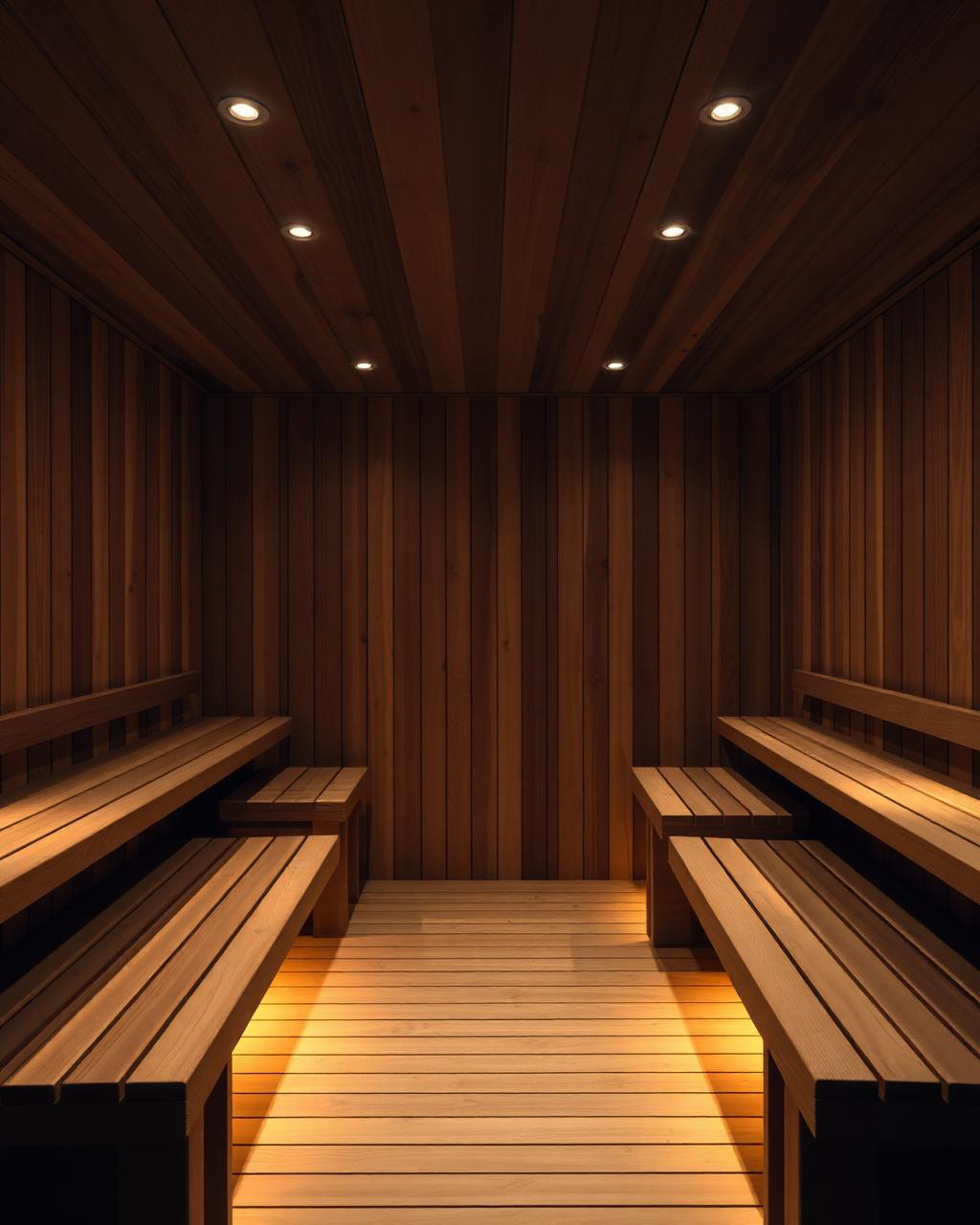
Dry heat is the oldest recovery environment there is. Done well, it is also one of the most architectural — a room built entirely around material, air and light.
Sauna environments raise ambient air temperature in a controlled, insulated space. The experience is shaped by the heater type, the wood species, the bench geometry and how the room manages airflow.
Traditional saunas heat the room and its stones, allowing water to be introduced for bursts of steam. Infrared cabins warm the body more directly at lower ambient temperatures, which suits smaller residential footprints.
Rime Forge is currently establishing supplier relationships across indoor cabins, outdoor barrel and cube saunas, and commercial-grade heater systems.
Planning
What to consider.
Indoor vs outdoor
Outdoor sauna structures need weather-rated cladding, foundations and a clear power route. Indoor rooms need ventilation planning and moisture-tolerant surrounding materials.
Heater type
Electric, wood-fired and infrared systems each carry different power, clearance and venting requirements. Heater sizing follows room volume, glass area and insulation.
Materials
Cedar, hemlock, thermally modified aspen and alder each behave differently in heat and humidity, and each sets a very different visual tone.
Electrical & site
Most cabins require a dedicated circuit. Confirm panel capacity, run distance and local code before selecting equipment.
Where it fits
Typical applications.
- Home basements and spare rooms
- Backyard and lakeside structures
- Hotel and resort spa suites
- Gym and athletic recovery rooms
Catalog status
Curated equipment coming soon.
Rime Forge is currently developing its collection of premium heat, steam and cold recovery equipment. Collections will be published as supplier authorizations are confirmed.
Tell us what you're looking for